
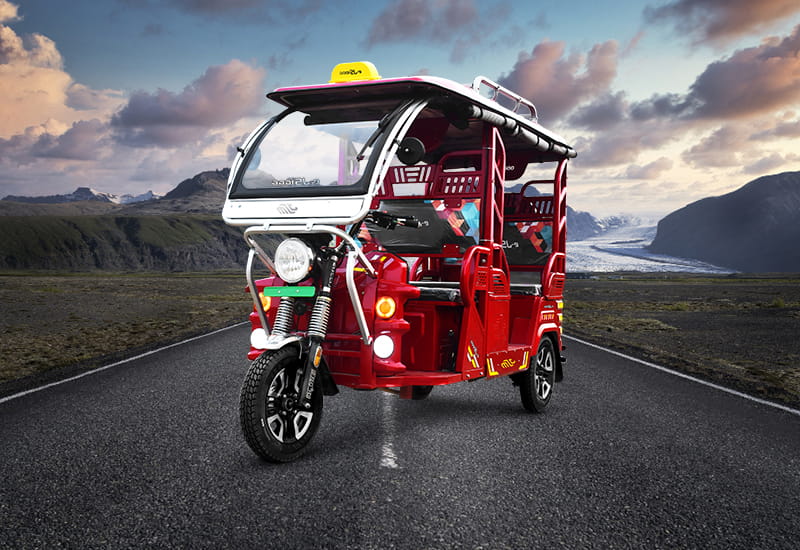
India’s transportation sector is going through a major transformation, and electric vehicles are at the heart of this change. Among all EV segments, Electric Rickshaws (E-Rickshaws) have emerged as the most practical and widely accepted solution for short-distance and last-mile connectivity. From metro cities to small towns, EV rickshaws are now a common sight on Indian roads.
Electric rickshaws are not just vehicles; they are a solution to rising fuel costs, increasing pollution, and unemployment. They provide affordable transport for passengers and sustainable income opportunities for drivers.
Environment-Friendly Transportation
One of the biggest advantages of electric rickshaws is that they produce zero tailpipe emissions. Unlike petrol or diesel vehicles, EV rickshaws run entirely on battery power, which helps reduce air pollution and noise pollution in crowded urban areas. With increasing concerns about climate change and public health, electric mobility is no longer an option—it is a necessity.
Cost-Effective for Drivers
Electric rickshaws are extremely economical to operate. Charging an EV rickshaw costs far less than refueling a conventional auto-rickshaw. Maintenance is also minimal because electric motors have fewer moving parts. This means drivers can save more money daily and increase their monthly earnings.
Ideal for Last-Mile Connectivity
EV rickshaws are compact, easy to drive, and perfect for narrow roads and busy markets. They efficiently connect passengers from bus stops, railway stations, and metro stations to their final destination. This makes them an essential part of India’s urban mobility ecosystem.
Conclusion
With low operating costs, environmental benefits, and growing public acceptance, electric rickshaws are shaping the future of transportation in India. They are not only helping cities become greener but also empowering thousands of drivers with stable livelihoods.